


Wellness is not a one-size-fits-all approach. People have different personalities, energy levels, social habits and even “love languages” that correlate to how they might approach wellness. Interestingly enough, the way people naturally give and receive love can shape the kind of self‑care that actually works for them. When you align wellness habits with love languages, routines stop feeling forced and become real recharging and nourishment.
Words of Affirmation
People with this love language thrive on positive language that supports, encourages and clarifies their worth. When tying this into a wellness routine, it is important to avoid seeking outside validation and instead focus on the words you tell yourself.
What Wellness Looks Like:
- Daily affirmations that feel authentic, not cheesy.
- Journaling to process emotions and reinforce strengths.
- Listening to inspiring and positive podcasts or audiobooks that speak to growth.
- Talking kindly to yourself during stressful moments, rather than spiraling into self-criticism.
Acts of Service
For someone whose love language is this, they feel cared for when their physical or mental load is lightened. Focusing on ways to help your future self is important, so wellness thrives when you create that support.
What Wellness Looks Like:
- Meal prepping to avoid scrambling later when times might be busier.
- Tidying spaces as a gift to tomorrow while lightening the mental clutter.
- Scheduling appointments that have been avoided to stop added stress.
- Automating tasks (bill pay, reminders, grocery lists) to reduce mental load.
Receiving Gifts
Those who identify with this love language feel loved when something tangible represents care, thoughtfulness or intention. It is not about material items; it is about the thought behind them. Picking objects that represent wellness reminds you that you are worth investing in.
What Wellness Looks Like:
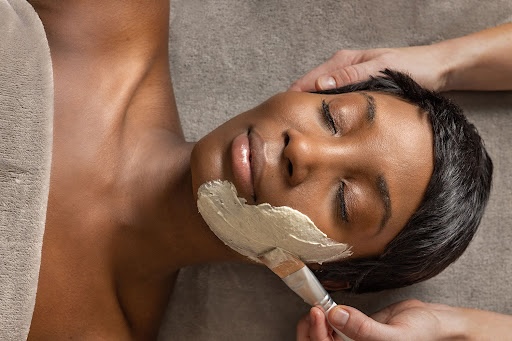
- Curating a self‑care toolkit (candles, teas, skincare, cozy socks).
- Investing in tools that support your goals, like a planner, a yoga mat or a water bottle.
- Creating rituals around your items so they inspire you to continue the action.
- Buy small treats that reward you for your wellness accomplishments.
Quality Time:
Anyone who feels most loved through this love language thrives on spending meaningful time. When you slow down and give yourself undivided attention, you learn that presence is everything within your wellness routines.
What Wellness Looks Like
- Solo dates at places like coffee shops, bookstores or even out in nature.
- Mindfulness practices that help you stay grounded, like meditation or breathwork.
- Unplugged time where you are not multitasking and can focus on one activity.
- Spending time with friends or loved ones where you are fully present and in the moment.
Physical Touch:
People with this love language feel secure when physically touched. For them, wellness would be deeply connected to the body. Sensations like pressure, temperature and texture help them feel safe and cared for.
What Wellness Looks Like
- Stretching or yoga to reconnect with your body by using mindful movement.
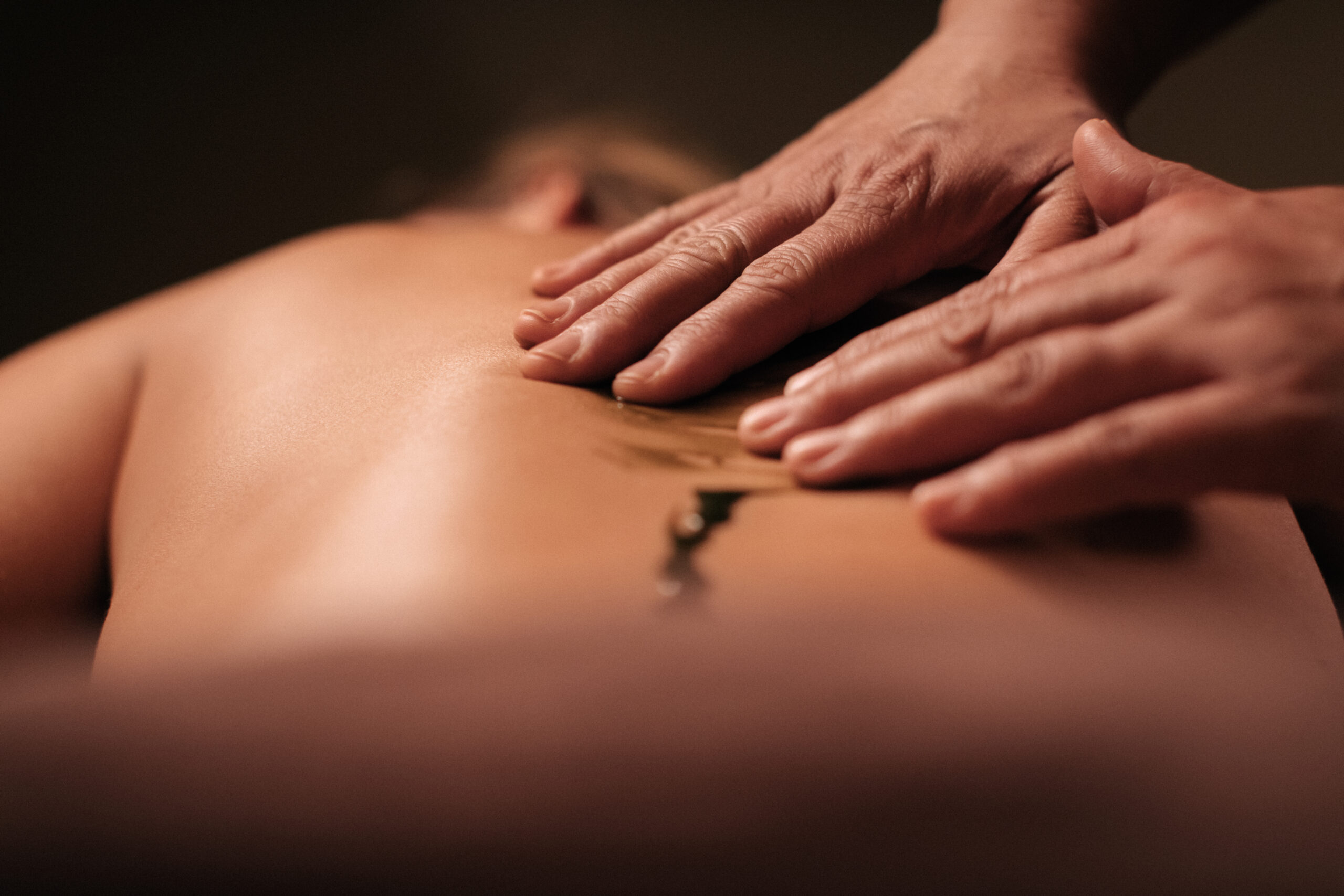
- Massages, whether professional or DIY, that provide intentional touch.
- Warm baths, soft blankets or weighted comfort items that soothe your nervous system.
- Movement that feels good within the body, like dancing, walking or playing a sport.
Advice from industry insiders often assumes everyone recharges the same way, but that could not be further from the truth. The key to creating a wellness routine that makes sense for you is noticing what actually makes you feel cared for, not what you think you should be doing. Wellness is a love story between you and yourself, in the language you understand best!