


Athletes know that training is only half the equation. Recovery and self‑care are what keep the body performing at its peak. Whether you are a marathoner, a gym-goer, a dedicated yogi or someone who simply loves to move, it is important to find the time to rest and recharge. If you’ve ever wondered what helps sore muscles after a workout or how to speed up muscle strain, these practical techniques can be incorporated into your routine. Athletes around the world are embracing a more holistic approach to wellness to better support their bodies during recovery, and you can, too.
Mineral Hot Springs:
After long runs, intense gym sessions, or back‑to‑back training days, soaking in mineral‑rich hot springs may offer a gentle yet powerful way to help the body reset. Compared to ordinary water sources, hot springs are believed to have a wide array of advantages. These naturally warm waters are known for their soothing properties, which can help:
- Improve Circulation: Minerals such as calcium and sodium bicarbonate help boost blood flow and oxygenation, thereby improving circulation and cardiovascular function.
- Relieve Joint and Muscle Aches: The buoyancy of water and heat help relieve joint pain and muscle tension, making it ideal for post-exercise recovery or chronic conditions.
- Boost Stress Relief: Warm water immersion calms the nervous system, reduces cortisol levels and promotes deep relaxation, improving stress relief.
Massages:
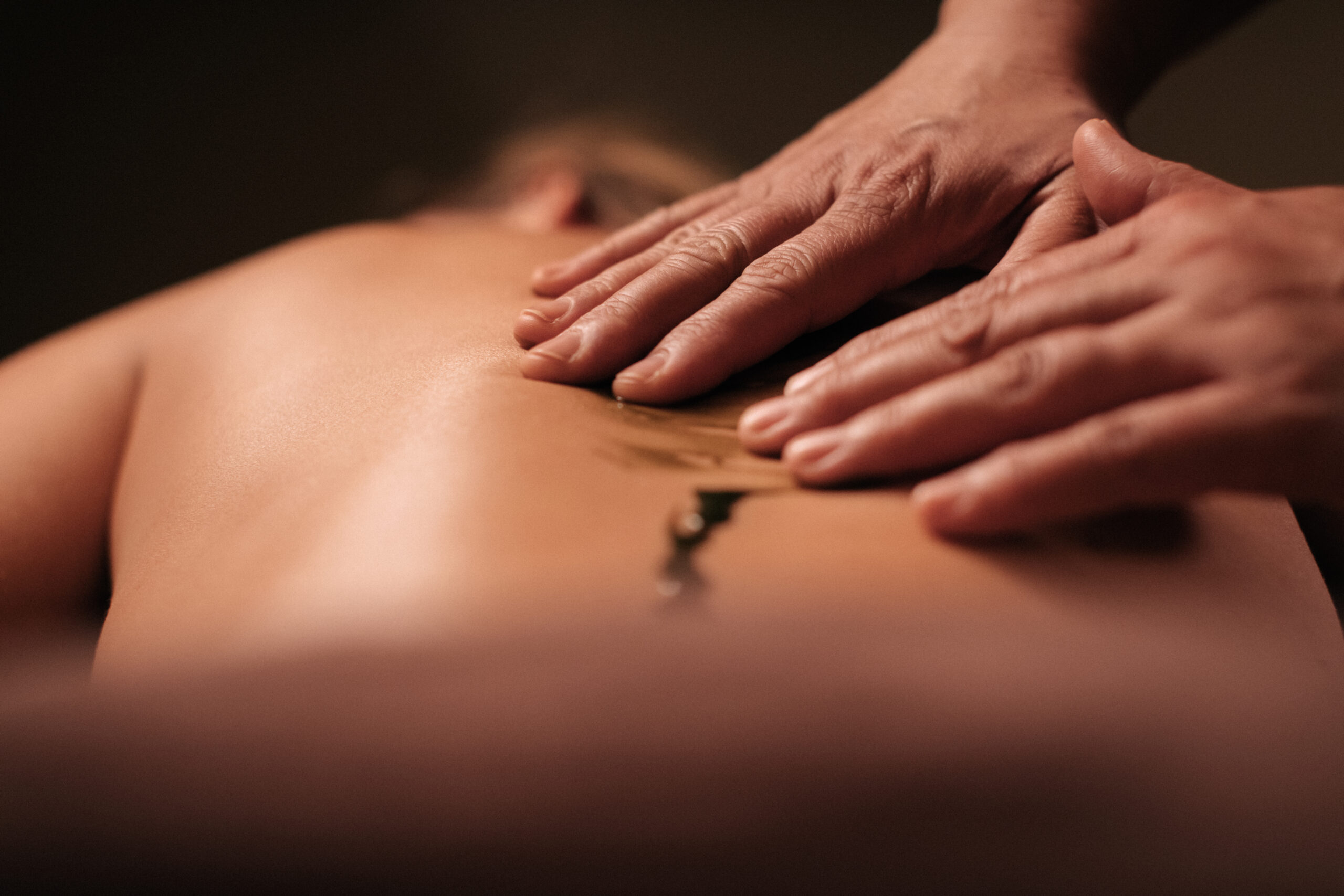
Massage therapy offers a hands‑on approach to post-training recovery, becoming an essential tool for maintaining mobility and reducing physical strain. Athletes rely on massage because targeted bodywork may help their muscles recover more efficiently and support stronger, more balanced performance, believed to be working to:
- Improve Circulation: Massage increases blood flow throughout the body, enhancing overall function and supporting faster healing.
- Speed Muscle Recovery: Focused techniques help reduce soreness, ease injury‑related discomfort and promote quicker post‑workout recovery.
- Release Tension: Deep‑tissue massage breaks up tight fascia and stubborn knots, while targeted therapies enhance flexibility, reduce stiffness and support long‑term mobility.
Hot and Cold Plunge:
The health benefits of cold plunging have gained attention in both sports and wellness industries due to the positive effects on the body. After an intense workout, cold plunges are believed to offer various physical and mental health benefits, potentially working to:
- Increase Blood Flow: Cold plunges improve circulation by constricting blood vessels and then rapidly expanding them, increasing blood flow throughout the body.
- Speed Up Recovery: Cold plunges help reduce inflammation and speed recovery by decreasing blood flow to inflamed areas, easing muscle soreness, and supporting more efficient nutrient delivery to the muscles.
- Boost Immunity: Cold plunges can boost immunity by stimulating the immune system to produce more white blood cells, enhancing immune function over time.
Saunas:
Steam saunas can offer a restorative heat therapy experience and have become a staple in athletic recovery. Athletes choose saunas because the deep heat may help their bodies recover more efficiently and prepare them for stronger performance in future training sessions. Benefits may help to:
- Remove Toxins: Heat supports the body’s natural detoxification process through sweating, helping eliminate unwanted toxins.
- Support Muscle Relaxation: Saunas warm the tissues and increase blood flow, which helps loosen tight muscles, reduce stiffness and ease discomfort.
- Relieve Respiratory Problems: Saunas’ heat helps relax and open the airways, making breathing feel easier and supporting smoother airflow.
Salt Soaks:
Epsom salt soaks are believed to offer a simple yet powerful way to restore balance after physical exertion. It is commonly used in baths, soaking and showering to experience its soothing and revitalizing effects, making it a popular choice for overall well-being. Epsom salt, a mineral-rich compound of magnesium and sulfate, may offer numerous benefits that include:
- Relieve Pain: Epsom salt baths have muscle-soothing benefits and can help relieve pain, which can be beneficial for sore muscles, bronchial asthma and migraine headaches.
- Reduce Inflammation: When dissolved in water, Epsom salts release magnesium ions that can help reduce inflammation in tissues and joints, offering relief from swelling.
- Enhance Mood: Epsom salt baths help improve mood by replenishing magnesium levels in the body, which can be depleted by stress and increased adrenaline.
Guided Breathwork:
Breathwork can offer a powerful, yet accessible, approach to recovery, becoming a widely used practice among athletes for the belief of enhancing performance, supporting endurance and strengthening the mind–body connection. Benefits can help to:
- Enhance Physical Performance: Breathwork supports cardiac health, improves circulation, strengthens respiratory function and boosts overall endurance and energy.
- Improve Mental Well‑Being: Breathwork enhances emotional regulation, relieves stress, improves mood and supports overall mental well‑being.
- Increase Cognitive Function: Regular practice sharpens concentration, improves mental clarity and strengthens memory and cognitive performance.
You don’t have to be an athlete to recover like one. Whether you are training for a race, experiencing muscle soreness after a workout or simply looking for everyday ways to support your body, these practical techniques can be easily integrated into your routine to help you feel stronger, more balanced and better equipped for an active lifestyle.