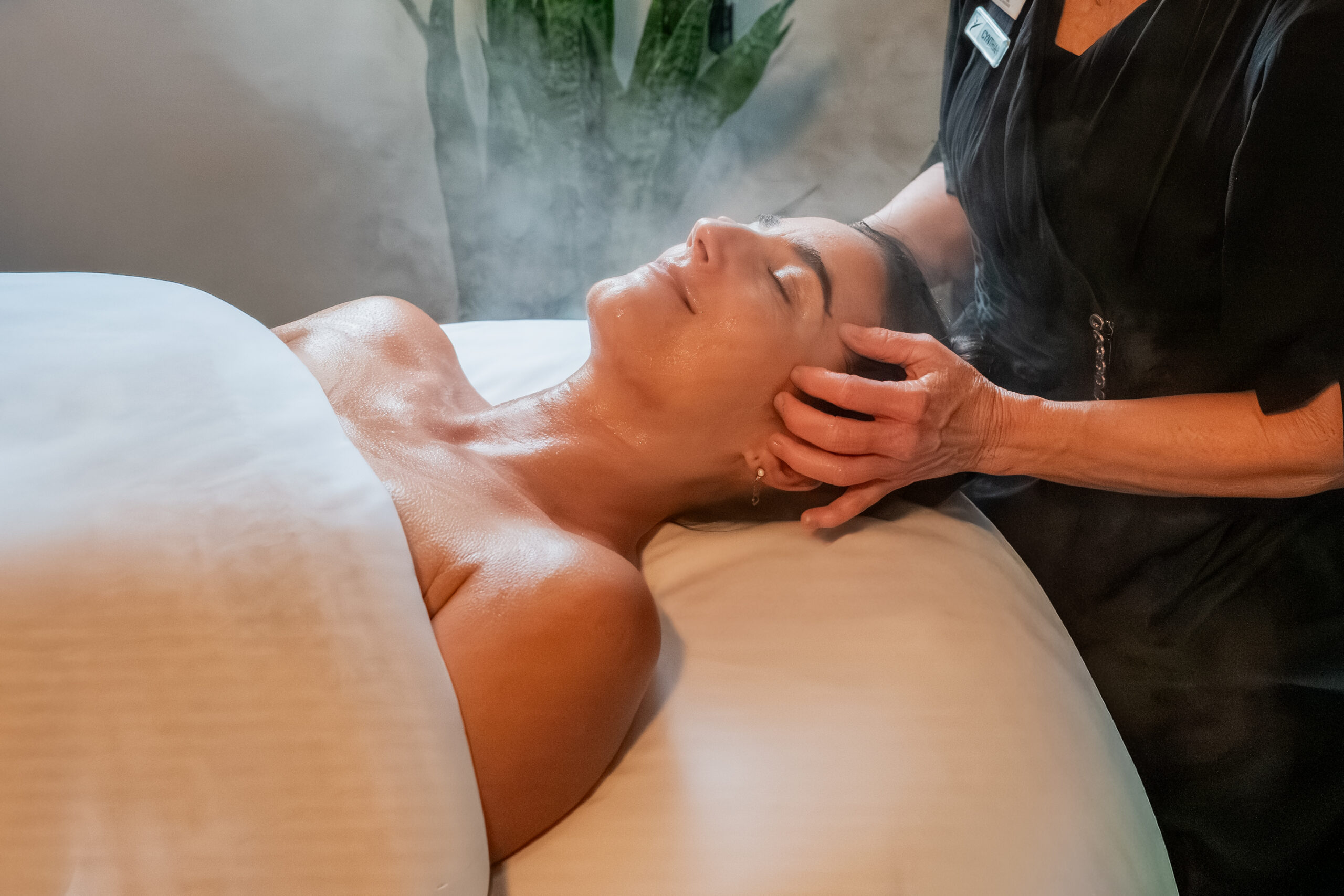
Is skin longevity just another trending buzzword or a genuine scientific shift in how we understand aging? Eve Mérinville, Corporate R&D Excellence and Skincare R&D Innovation Director at [ comfort zone ], has spent more than two decades exploring the emerging science behind long-term skin resilience. Her work connects professional skincare innovation with the lifestyle habits and intentional rituals that support healthier, more resilient skin over time. She shares what is driving the future of skin longevity.
1. From your perspective as an R&D leader, why do you think longevity has captured so much attention right now?
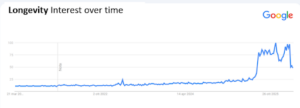
Longevity has captured attention because people are more aware than ever that they can live longer. In the past 12 months, longevity has officially entered its “main character era,” rapidly transforming from a niche scientific pursuit into the ultimate lifestyle trend. From consumer magazines to social media to financial journalism, coverage and leading global consumer data, living longer has become the most covetable modern asset in recent years, heavily dictating choices in beauty, wellness, technology and travel industries.
When looking at Google Trends, this spike in searches for longevity-related topics visibly confirms this is far more than a perception.
Skin naturally belongs in this conversation, and its longevity is not just a matter for older generations. Being a living interface between our internal biology and the outside world, it is in constant crosstalk with other systems, including the gut and the brain, and responds to the exposome or everything your body interacts with throughout your life: sleep, stress, nutrition, hormones, UV exposure and pollution. Skin acts as a mirror of our overall wellbeing. It reflects a broader understanding that feeling well, looking well and caring for ourselves are increasingly connected.
2. Which longevity‑focused ingredients have the strongest research behind them, and how do they support collagen, barrier strength, or cellular recovery over time?
In skin longevity, the most meaningful science is rarely about finding one “hero” ingredient. No single ingredient can address every aspect of how skin changes over time. This is why, at [ comfort zone ], our research focuses on a multi-target approach, combining ingredients that help skin respond to the different pressures it faces every day. The value of a longevity-focused formula lies in this synergy. Rather than asking one molecule to do everything, a well-designed product can support the functions that help skin remain resilient, comfortable and healthy-looking over time.
One of the best examples we can mention is our proprietary Longevity Complex, which combines myrtle berry with wild indigo, spinach extract and carnosine. Myrtle berry is rich in antioxidant polyphenols that help neutralize free radicals associated with oxidative stress. Wild indigo contains polyphenols selected to help support the skin’s response to environmental stress and inflammation. Spinach provides folate, a nutrient involved in pathways related to DNA methylation. Carnosine helps counter glycation, the process in which sugars bind to proteins such as collagen and elastin, gradually affecting the flexibility of the skin’s support network.
In a laboratory experiment, the product reduced the measured rate of cellular aging by 80%. This finding does not mean stopping the natural aging process. It does, however, offer meaningful evidence that a multi-target approach can help support skin resilience over time.
The research behind the Longevity Complex began with the exposome, the cumulative effect of UV exposure, pollution, stress, sleep and lifestyle on the skin. These daily influences can contribute to four key processes involved in skin aging: oxidation, inflammation, altered DNA methylation and glycation. Over time, these processes can affect collagen quality, barrier integrity and the skin’s ability to recover from everyday stress. Longevity Complex ingredients were selected for their complementary role in helping counteract the effects of the exposome and these interconnected processes.
3. What are the most important biological processes that determine how well our skin ages, and which of those can we actually influence through daily habits?
Skin aging is not controlled by a single biological clock. We cannot change our chronological age or rewrite our genes, but we can influence many of the daily factors that shape how skin functions over time. Skin aging reflects the interaction of external factors and several interconnected skin processes, including collagen maintenance, barrier function, cellular renewal, inflammation, oxidative stress and the skin’s natural day-night rhythm.
One of the most important systems is the extracellular matrix, the network of collagen and elastin that gives skin its firmness, density and resilience. Over time, collagen production naturally slows, while UV exposure, pollution, oxidative stress and inflammation can accelerate the breakdown of the existing network. This is why daily broad-spectrum sunscreen is one of the most important habits for supporting long-term skin structure. Not smoking, sleeping well, eating a balanced diet and managing stress can also help create better conditions for fibroblasts, the cells responsible for maintaining the dermal matrix.
For us, this is the practical meaning of skin longevity. It is not about trying to stop aging, but about helping skin better manage the pressures it encounters every day, protecting it from UV, cleansing without stripping it, moisturizing, supporting the body with nourishing habits and allowing skin time to recover. Over time, these realistic and repeated choices can help skin remain resilient, comfortable and healthy-looking.
4. What are the most overlooked lifestyle habits that directly impact the skin barrier, and how quickly can people see changes when they adjust those behaviors?
The most overlooked habits are often the everyday conditions that repeatedly challenge the skin barrier. Three, in particular, can make a meaningful difference: how we protect skin from environmental and climate stress, how we support recovery through sleep and diet and how gently we treat the skin in our daily routine.
- Environmental and climate stress are easy to underestimate. Pollution, unprotected UV exposure, air conditioning, indoor heating, wind and sudden changes in temperature or humidity can all increase water loss and oxidative stress. Daily broad-spectrum sunscreen, adapting hydration habits to the season and protecting skin from cold and wind when needed can help reduce this constant environmental pressure.
- Sleep and diet support the skin from within. Chronic sleep disruption can affect inflammatory signals, stress hormones and the skin’s ability to recover. Psychological stress can have a similar effect. When cortisol remains elevated over time, it may interfere with skin homeostasis, contribute to inflammation and delay barrier recovery. Regular sleep, movement, time outdoors, breathwork or other meaningful stress-reduction practices can support both the nervous system and the skin. Nutrition matters for the same reason. A varied diet providing sufficient protein, essential fatty acids, vitamins and minerals supports normal skin function, while smoking, excessive alcohol and chronically unbalanced diets can work against it. Skincare cannot replace these foundations.
- Over-cleansing and over-exfoliation are also common causes of barrier disruption. Hot water, harsh cleansers, frequent scrubs and excessive use of acids can strip the skin and increase reactivity. A simpler routine, using lukewarm water, a gentle cleanser and a well-tolerated moisturizer containing humectants and barrier-supporting lipids, can often make a visible difference.
How quickly can people see results?
Comfort, hydration and tightness may improve within a few days when daily stressors are reduced. Dryness and flaking often need one to several weeks, while improvements in texture, evenness and resilience usually require four to eight weeks of consistent care.
5. What daily or weekly rituals do you personally recommend for supporting glow, recovery, and long‑term skin vitality, especially for people just beginning their longevity journey?
Skin longevity does not require an overcomplicated routine – three is the magic number. You do not need a complicated routine to begin supporting long-term skin vitality. The most effective rituals are simple, enjoyable and consistent and, most importantly, adapted to your skin’s needs.
In the morning, I recommend focusing on three essentials: cleanse according to your skin’s needs, hydrate and protect. A gentle rinse may be enough for some skin types, while oily or sweaty skin may benefit from a mild cleanser. Follow with a hydrating serum or moisturizer, then apply broad-spectrum SPF 30 or higher to the face, neck, ears and other exposed areas. Daily sun protection is one of the most important longevity habits because it helps limit the cumulative UV damage associated with wrinkles, uneven tone and collagen degradation.
In the evening, another cleanse becomes the first step of recovery. Remove makeup, sunscreen, sweat and pollutants without stripping the skin. Then choose one targeted treatment based on what your skin needs most: hydration and barrier support, antioxidant protection, brightening or collagen support. A nourishing night cream or a hydrating sheet mask can add comfort and support the skin’s overnight recovery.
Consistency matters more than layering several active ingredients at once.
Skin longevity is not about chasing perfection – it is about understanding how daily choices, targeted formulas and intentional rituals work together to support long-term resilience. As this science continues to evolve, it offers a clearer, more empowering path for anyone looking to care for their skin – and overall wellness – in a way that feels both meaningful and sustainable.