With long days, bright skies and warm air, summer is always a season when people are spending more and more time outside. In Southern California, temperatures can occasionally soar, but that does not mean we need to seek comfort inside. Instead, finding ways to stay refreshed, energized and comfortable while still enjoying the benefits of being outdoors is key. If you are one of the people asking, “How do I stay cool in the heat,” consider this your go‑to cool‑down itinerary with simple, science‑backed tips and heat‑beating strategies designed to help you beat the summer heat and enjoy every sunny moment without overheating.
1. Hydration for Heat Relief
Hydration is the most effective and scientifically supported way to help your body stay cool. When temperatures rise, your internal cooling system works harder, increasing sweat production, shifting blood flow toward the skin and relying heavily on water to regulate core temperature. Consistent fluid intake keeps these processes running smoothly and prevents the dehydration that can make heat feel even more intense.
Tip: If you struggle to remember to drink water, setting gentle reminders every 30 minutes can help you take small, steady sips throughout the day. This approach supports better absorption and keeps your hydration levels stable rather than spiking and crashing.
While drinking water is the best way to stay hydrated, you can also upgrade your hydration for even greater cooling benefits. Electrolytes help replace minerals lost through sweat, cucumber adds extra water content and natural cooling compounds and herbal iced teas offer flavor that makes it easier to drink more while providing additional plant‑based antioxidants.
2. Cold‑Water Cooling
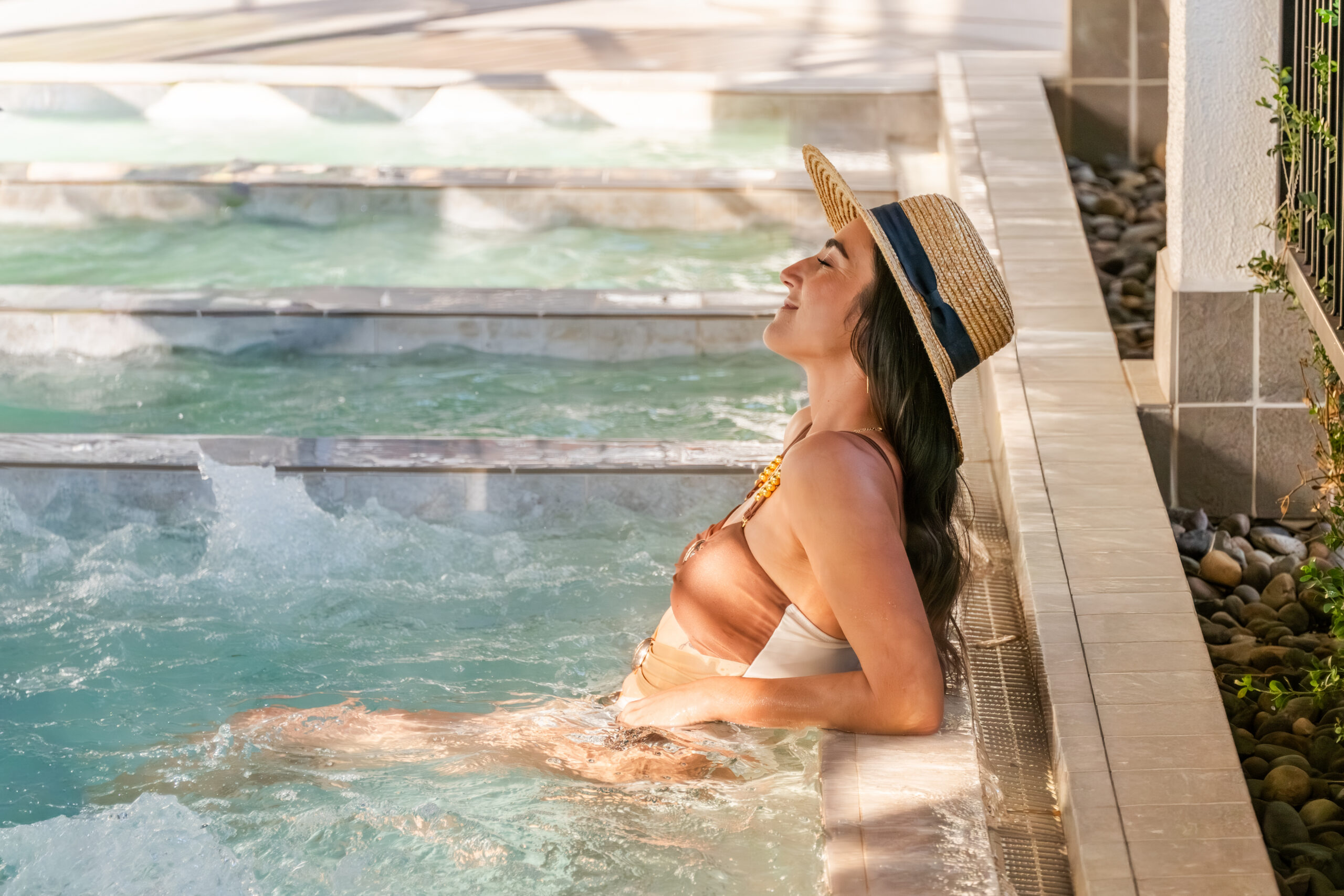
If you are feeling overheated, few things provide faster physiological relief than stepping into cold water. The sudden temperature change triggers vasoconstriction, helping lower your core temperature and reducing surface inflammation. Cold‑water immersion, whether it is a cold plunge, a cooler pool or the ocean, slows metabolic activity, eases heat stress and gives your body a chance to recalibrate. Even a brief dip can make the surrounding temperature feel more manageable and help you feel noticeably more comfortable.
Tip: If you do not have access to a pool or the ocean, try a cool rinse in the shower or submerge your hands and feet in cold water under the sink. These areas have high surface‑area blood flow, so cooling them can quickly help lower overall body temperature.
3. Cooling Nutrition Choices
Some foods naturally help cool the body due to their high water content, anti‑inflammatory compounds and the simple fact that they’re often consumed cold. Watermelon delivers hydration and electrolytes, citrus fruits provide energizing, cooling vitamin C, coconut water acts as a natural electrolyte source and fresh salads supply crisp vegetables that help regulate internal temperature. Even herbs like mint have a measurable cooling effect due to menthol, which activates cold‑sensing receptors in the skin.
Tip: While choosing cooling foods, it is equally important to avoid items that can increase internal heat. Heavy, spicy or very hot foods require more metabolic energy to digest, which can raise core temperature, especially during peak heat hours. Opting for lighter foods that are rich in water helps your body stay balanced and reduces unnecessary thermal stress.
4. Heat‑Smart Pacing
Cooling down can also be proactive. Regulating your pace before your body generates excess heat is one of the most effective ways to prevent heat exhaustion. When the weather is hot, anything that significantly raises your heart rate or demands heavy physical exertion can push your internal temperature even higher. That is why it is best to avoid workouts, yard work, hiking or other strenuous outdoor activities during peak heat hours, when your body is already working harder to stay regulated.
If you do need to be active, build in intentional pauses. Taking breaks, seeking shade and slowing your pace gives your body time to stabilize circulation and prevent overheating before it starts. These small adjustments make a big difference in keeping your system cool and comfortable.
Tip: Try scheduling higher‑effort tasks for early morning or late evening, when temperatures are lower and your body can handle exertion more safely.
Things to Do on a Hot Day:
- Visit a hot springs resort
- Go for an ocean swim
- Have a cooling picnic
- Take a sunset walk
- Make DIY frozen treats
- Enjoy a backyard water day
Beating the heat is not about avoiding the summer sun and staying indoors; it is about embracing the outdoors with intention. With hydration rituals, cold‑pool dips, high-water-content foods and mindful pacing, you can enjoy every warm day feeling refreshed, energized and comfortable.